Learn energy systems from people who actually work with them
We built this platform after realizing that most energy education ignores the messy reality of implementation. Our instructors are engineers and specialists who've spent years figuring out what actually works in the field.
What we're trying to solve
Most energy courses teach theory divorced from practice. Students memorize formulas but can't troubleshoot a faulty inverter. We started Jerythvia in 2018 because we kept hiring graduates who couldn't apply what they'd learned.
Realistic scenarios
Our courses present problems you'll encounter in actual installations: equipment that doesn't match spec sheets, weather conditions affecting performance, budget constraints forcing design compromises.
Instructor access
Every course includes direct communication with the instructor. They're working professionals who check in regularly to answer questions and review your work.
Updated content
Energy tech changes fast. We update courses when new equipment becomes standard or when regulatory requirements shift. You're learning current practices, not outdated methods.
People helping each other figure things out
The discussion boards are where real learning happens. Students share photos of their installations, troubleshoot problems together, and explain concepts to each other. Instructors jump in when needed, but often the best answers come from peers who just solved the same issue.
We've seen study groups form organically, with people in the same region meeting up to work on projects together. Some of our strongest professional networks started in course comment sections.

I learned more from the community discussions than some of my university courses. People share actual field data and explain why certain approaches fail in practice.
Companies we work with
These organizations send their staff through our programs and help shape our curriculum
Corporate training programs
We've developed custom courses for renewable energy firms that need to upskill their workforce. These aren't generic corporate training modules. We work with each company to address their specific technical gaps and operational challenges.
Curriculum feedback
Our industry partners review course content before we publish it. They tell us when something is outdated, when we're missing critical information, or when our approach doesn't match current industry practice. This keeps our material grounded in reality.
How we deliver the courses
Our platform handles video streaming, interactive simulations, and progress tracking. We built it specifically for technical education, which has different requirements than standard e-learning.

Adaptive video quality
The system automatically adjusts video resolution based on your connection speed. This matters when you're watching detailed technical demonstrations where you need to see small components clearly.
Progress tracking
The platform tracks which sections you've completed, where you've spent the most time, and which topics you've revisited. This helps instructors identify where students commonly get stuck.
What it costs
We price by course, not by subscription. You pay once and keep access to the materials and community discussions. Updates to course content are included.
Single course
- Lifetime access to course materials
- Community discussion access
- Instructor Q&A for 6 months
- Certificate upon completion
- All future content updates
Course bundle
- 3-5 related courses
- Extended instructor access (12 months)
- Priority support responses
- Specialized certification
- Early access to new content
- Group study coordination
Corporate licensing
- Team access management
- Custom course development
- Progress reporting tools
- Dedicated account manager
- Volume discounts available
All prices in Malaysian Ringgit. Refund available within 14 days if you've completed less than 20% of the course material.
What you can learn
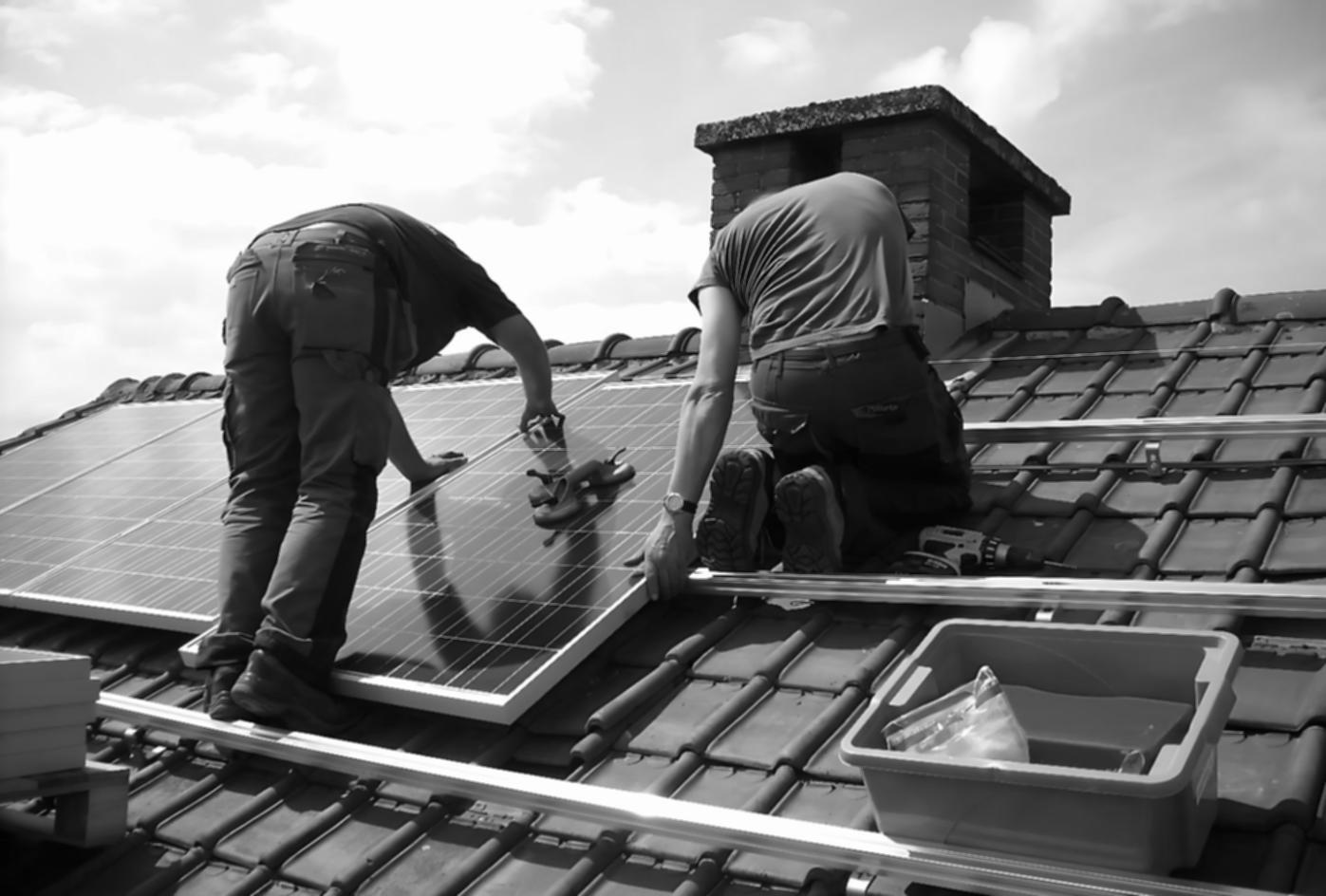
Solar installation and maintenance
Covers residential and commercial PV systems from site assessment through commissioning. You'll learn to size systems, select components, handle electrical connections, and troubleshoot common failures.
Energy storage systems
Battery technology, system integration, and management software. Focus on lithium-ion systems for grid and off-grid applications. Includes thermal management, safety protocols, and degradation monitoring.
Wind energy fundamentals
Small-scale turbine installation, site evaluation, and grid connection. 4 courses available.
Grid integration
Connecting renewable systems to utility grids, regulatory compliance, metering. 3 courses available.
Energy efficiency auditing
Building assessment, measurement protocols, recommendation development. 5 courses available.